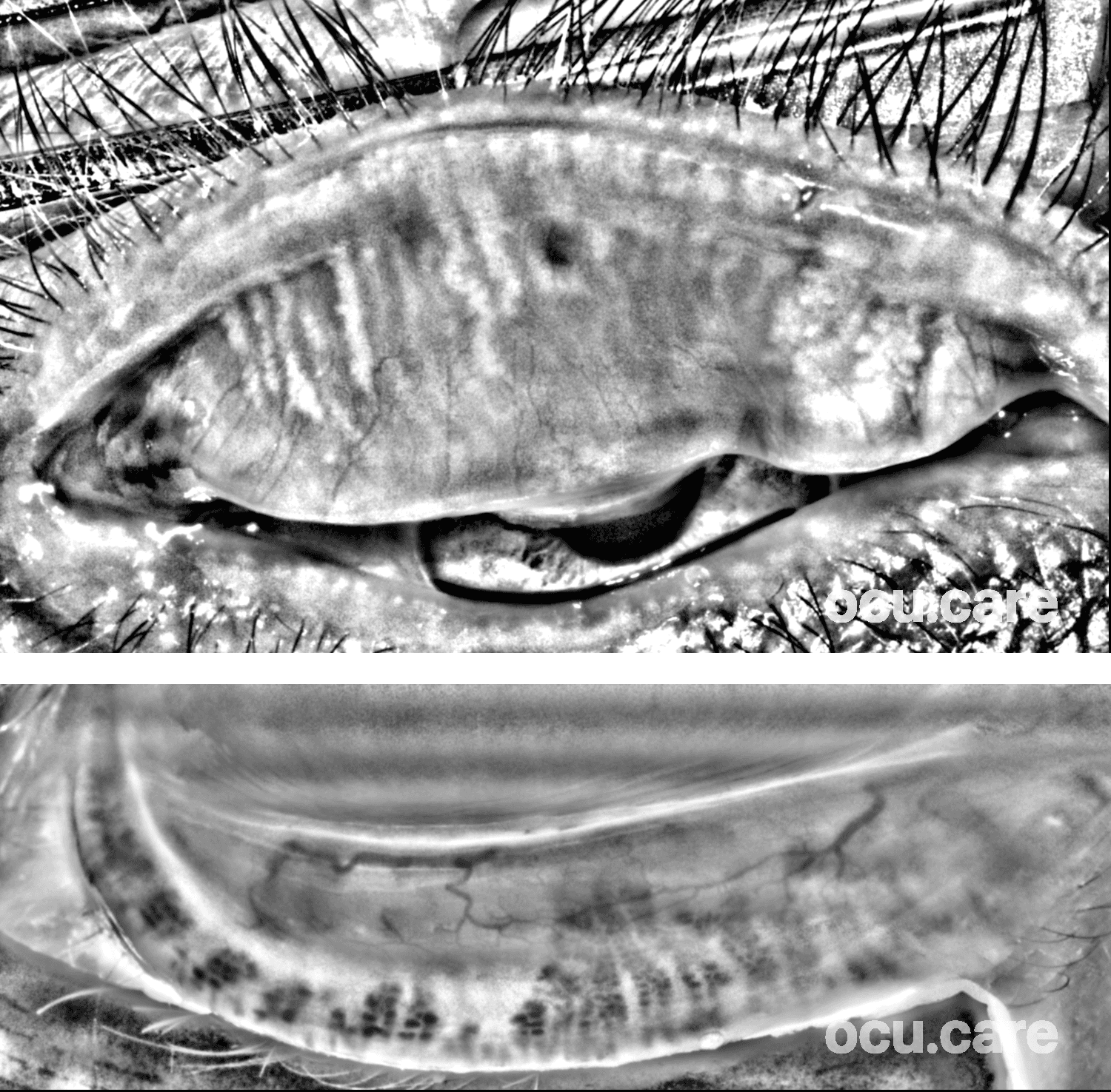
Dry Eye Assessment and Meibography Matter in Glaucoma Care
Chronic exposure to preservative-containing glaucoma drops has been strongly associated with ocular surface inflammation, tear film instability, meibomian gland dysfunction (MGD), and progressive gland dropout.
This 73-year-old gentleman has been using long-term brinzolamide preserved with benzalkonium chloride (BAK). The meibography images show several morphological changes, including gland atrophy, shortened and tortuous glands, “ghost glands”, and fluffy / abnormal gland architecture.
Evidence increasingly suggests that BAK is a major contributor, although the active medication itself may also play a role.
What is often overlooked is that ocular surface disease and MGD are not just minor “side effects”. They can directly reduce comfort, worsen tolerance, and lead to poor adherence — ultimately impacting long-term glaucoma outcomes.
💡 Should dry eye screening and meibography become routine in glaucoma patients — even before symptoms begin to significantly affect comfort, compliance, and quality of life?